Essential Preparation and Maintenance Tips for a Seamless High-Demand Period
Introduction
Every year, the peak trading season presents both opportunities and challenges for warehouses, distribution centres, and businesses reliant on efficient material handling. As demand surges and the pace quickens, the humble pallet truck becomes a critical link in the supply chain, tasked with handling heavier volumes, faster turnaround, and often extended operational hours. To ensure your pallet trucks are up to the task, careful preparation and proactive maintenance are essential. This newsletter will guide you through key steps to ready your fleet—helping you maximise uptime, minimise breakdowns, and deliver excellence when it matters most.
Why Proper Preparation Matters
With the arrival of the peak trading season—be it Black Friday, the festive rush, or summer sales—every aspect of your operation is placed under greater strain. Pallet trucks, whether manual or electric, are subject to increased usage, which can exacerbate wear and tear and expose underlying faults. Unplanned downtime at this time can be particularly costly, leading to delays, frustrated staff, and disappointed customers.
A well-prepared pallet truck fleet ensures:
- Reduced risk of breakdowns during high-demand periods
- Improved safety for operators and warehouse personnel
- More efficient handling of increased volumes
- Greater confidence for your team in meeting targets
- Extension of equipment lifespan and return on investment
Step 1: Conduct a Thorough Inspection
Begin your seasonal preparations with a comprehensive check of every pallet truck in your fleet. Inspections should cover:
- Wheels and Rollers: Check for flat spots, cracks, or excessive wear that can impede movement or damage warehouse floors.
- Hydraulics (for manual pallet trucks): Look for leaks, slow or erratic lifting, and proper operation of pump mechanisms.
- Battery and Charging (for electric models): Test battery health, charging cycles, and cables for any signs of reduced performance or damage.
- Forks and Frame: Examine for bends, cracks, or rust—structural issues can lead to catastrophic failures under load.
- Handle and Controls: Ensure smooth, responsive operation and check for any looseness, play, or jamming.
Any faults discovered should be addressed immediately, either in-house if you have the expertise or via a qualified technician.
Step 2: Schedule Preventative Maintenance
Routine maintenance is always important, but during the peak season, it becomes essential. Key tasks include:
- Lubricating moving parts to reduce friction and prevent seizing
- Topping up or replacing hydraulic oil
- Tightening bolts, nuts, and fittings
- Cleaning debris, dust, and grease that can build up in busy environments
- Calibrating lifting mechanisms for accuracy and safety
Consider increasing your maintenance frequency during high-demand months and keep a log of all maintenance activities for reference and compliance.
Step 3: Replace Worn or Outdated Parts
Don’t let a minor component failure disrupt your operation at the worst possible time. Proactively replace:
- Worn wheels and bearings
- Damaged forks or frames
- Ageing batteries or chargers
- Handles, controls, or switches showing signs of imminent failure
Keep essential spare parts in stock—especially those with longer lead times—to minimise downtime in the event of a failure.
Step 4: Review and Train Staff
Even the best equipment can be compromised by improper use. As the team may include seasonal or temporary staff, provide refresher training on:
- Safe operation of both manual and electric pallet trucks
- Correct handling and stacking techniques
- Load limits and the importance of not exceeding them
- Identifying and reporting faults quickly
- Charging protocols and battery care (electric models)
Empowered, well-informed staff are less likely to cause accidental damage and more likely to spot issues before they become serious.
Step 5: Optimise Your Fleet for Peak Demand
Assess whether your current fleet is sufficient for the expected increase in activity. Key considerations:
- Do you need to hire or purchase additional pallet trucks to cope with volume?
- Is your fleet mix (manual vs. electric) still appropriate for your current needs?
- Are your trucks suitable for the floor surfaces and warehouse layout?
Anticipate bottlenecks and plan for contingency—having an extra pallet truck on hand could mean the difference between a smooth day and a major delay.
Step 6: Implement a Rapid Response Plan
No matter how thorough your preparations, surprises can still occur. Prepare for the unexpected by:
- Assigning responsibility for equipment checks and issue reporting
- Establishing relationships with maintenance providers for urgent repairs
- Making sure all staff know the reporting protocol for faults or breakdowns
- Having a documented process for removing faulty equipment from service
Quick, coordinated responses help limit the impact of any disruption.
Step 7: Monitor Performance Throughout the Season
During the peak period, keep a close eye on both equipment and workflow. Regularly review:
- Breakdown and repair logs for recurring issues
- Feedback from operators on handling and reliability
- The suitability of your maintenance schedule under increased load
Adjust your approach as needed to stay ahead of issues—not just react to them.
Why Attachments Matter During Peak Season
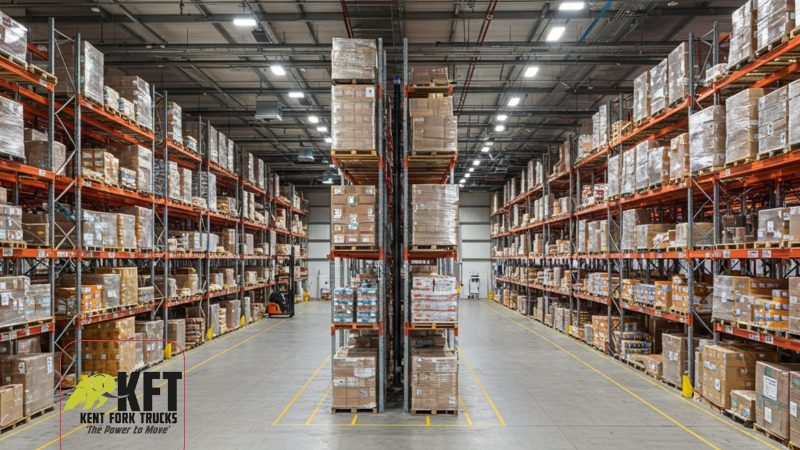
Seasonal rushes bring with them unpredictability: more orders to fill, a wider variety of products, and increased pressure to deliver on time. Traditional forks are designed for standard pallets, but the reality of a busy warehouse often involves handling everything from bulky white goods and fragile electronics to oddly shaped holiday décor and perishables.
Forklift attachments are specialised add-ons fitted to the mast or forks of a forklift, allowing them to perform a diverse range of tasks. By equipping your fleet with the right attachments, you instantly increase the flexibility and safety of your operation—without the need for a major capital investment in new machinery
Conclusion
Peak trading season is a demanding time where every advantage counts. By preparing your pallet trucks with a blend of preventive maintenance, staff training, and strategic planning, you position your operations for success. These efforts pay off not only in the form of fewer headaches during the rush but also in long-term savings, improved safety, and a reputation for reliability that customers value.
As the busy period approaches, take the time to give your pallet trucks the attention they deserve. An investment in preparation today will yield dividends in performance, safety, and peace of mind through the months to come.
Additional Resources
- Checklists for daily, weekly, and monthly pallet truck inspections
- Links to operator training resources and certification courses
- Contact details for recommended maintenance providers and parts suppliers
If you have questions or would like to schedule a fleet assessment, reach out to our support team—we’re here to help you succeed this season and beyond.